Things to consider before buying
A diamond made in a lab is still a true diamond. Not pretend, never imitation. Same atomic layout as one pulled from the earth. Created through technology rather than time and pressure below ground. What sets them apart isn’t quality – it’s origin. Found above surface, not beneath it. This matters – your sense of worth shifts when facts enter the picture. Not everyone realizes lab diamonds cost closer to natural ones than expected. True, they come at a lower price, yet remain valuable thanks to what they’re made of and how they’re shaped. Take a pair of earrings, say. They sit side by side, indistinguishable up close. One crawled out of the earth. The other grew behind glass. What sets them apart isn’t shine or clarity – only where they began, aros con diamantes de laboratorio.
Lab Grown Diamond Production Process
One way involves intense pressure, another uses advanced lab techniques. Knowing the basics isn’t required, yet clarity on how they’re made leads to smarter decisions.
- High Pressure High Temperature method replicates natural conditions
- Chemical Vapor Deposition grows diamonds layer by layer
A diamond ends up being a diamond, no matter the path. The result counts far more than the process behind it. When looking at lab-grown diamond earrings, pay attention to how the gem appears, not where it came from.
How Buyers See Quality
Folks tend to judge these stones much like real diamonds do. That means paying attention to what many know as the four main traits.
- Cut affects how the diamond reflects light
- Color measures how clear or tinted the stone is
- Clarity refers to small internal marks
- Carat indicates size
A tiny diamond might outshine a bigger rock if it cuts right. Size grabs eyes but often misses the point. When light dances through a gem depends how it was shaped, not just weight on scale. Think of two stones – one clocks 0.8 carats, another hits full carat – yet first sparkles harder because its angles know what they’re doing.
People Pick Lab Grown Diamonds
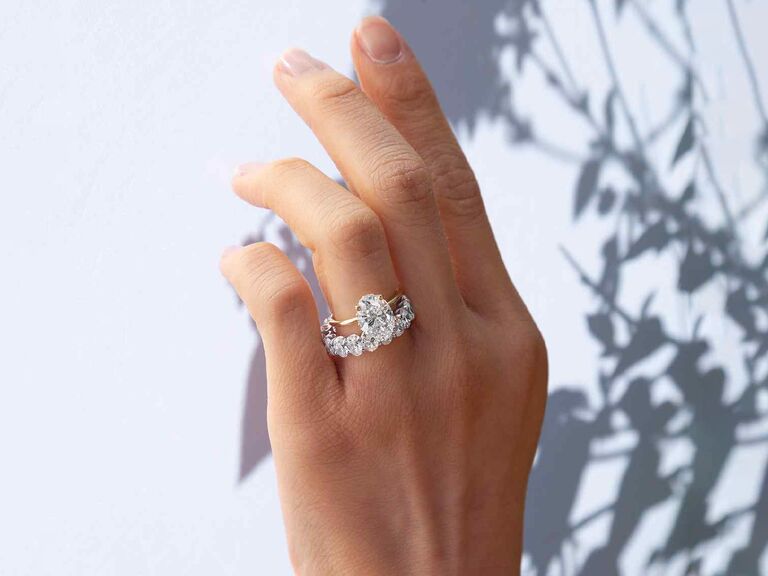
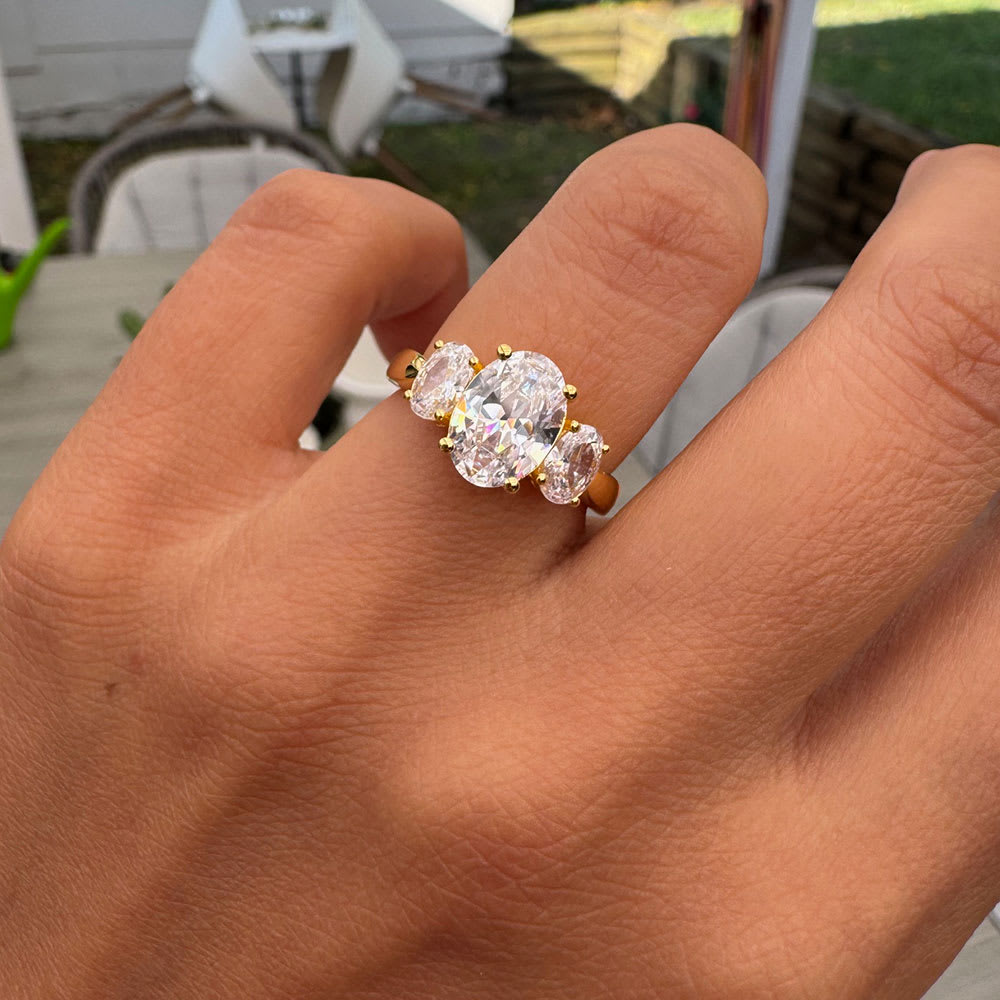
This happens for clear, everyday reasons. Not just cost drives the decision. Greater say in what you buy comes with it. A sharper look or something bigger fits the same amount of money. This kind of flexibility feels out of reach when working with natural gems. Sourcing matters just as much. Plenty of customers want clear details about origin. Lab grown stones come with clearer records of their journey. When looking at choices side by side, it turns out man made diamond rings tend to pack stronger specs within identical budgets.
Common Mistakes to Avoid
Later on, some buyers feel let down because of small mistakes made at the start. Staying clear of these early missteps helps prevent regrets down the road.
- Focusing only on price and ignoring quality
- Buying without certification
- Choosing size over cut quality
- Not checking return or exchange options
Proof matters when it comes to gemstones. A certified piece means someone checked its quality already. Say you spot those discounted earrings on a website. There’s no paperwork from an official lab attached. Sure, the price looks good. Yet chances are the diamonds lack sparkle due to bad cuts or hidden flaws. Buying blind might cost less up front. Later, regret often follows.
Choosing Earrings That Suit You
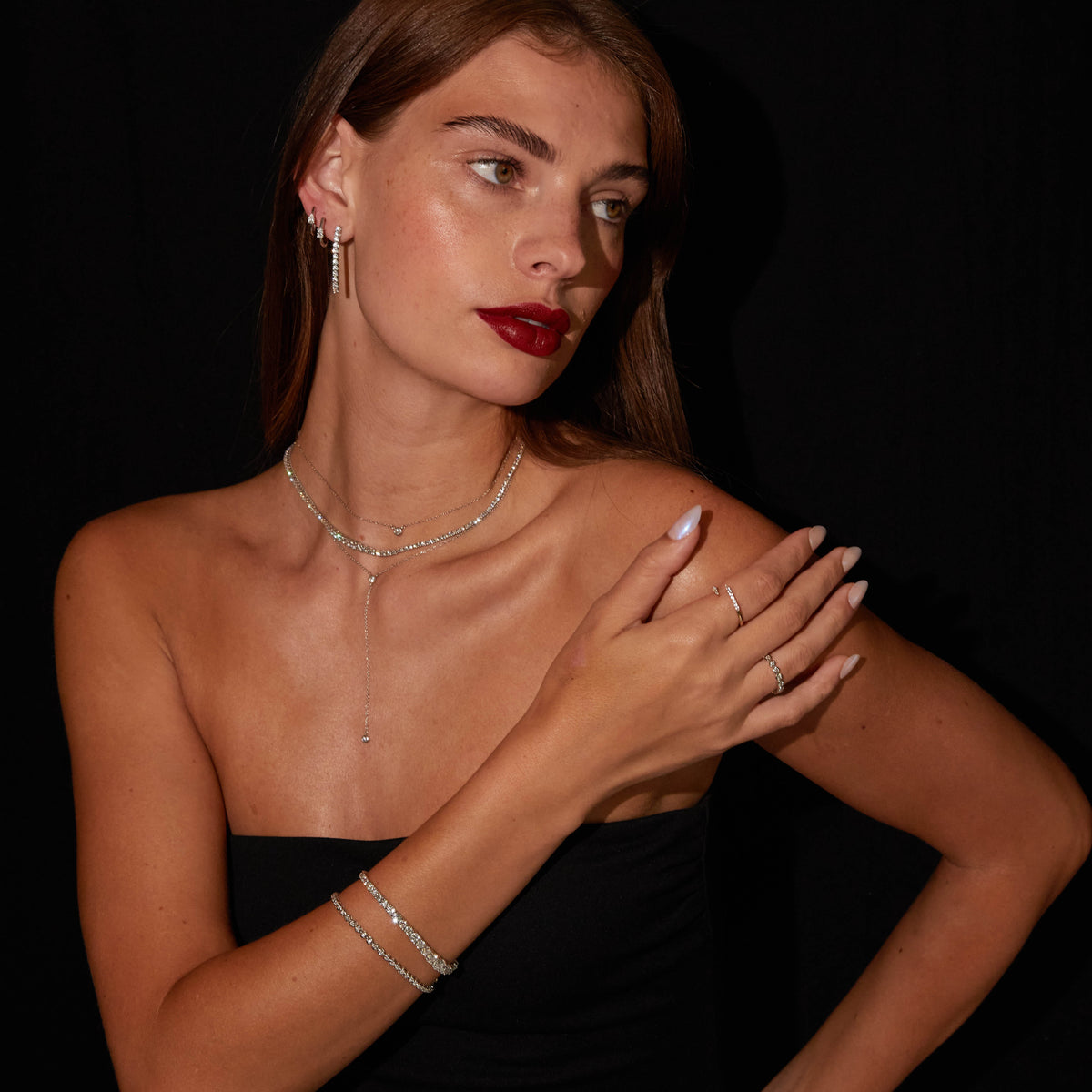
What drives your choice matters first. Could they be worn every day, or saved for certain moments? That thought shapes everything after. If it is regular use on the mind, then tiny gems held tight by sturdy mounts might suit best. Big stones catch more attention at gatherings. Yet the metal matters just as much – white gold shines cool, yellow warms things up, platinum stays sleek. Some earrings drag on your ears, others sit light without slipping. Lab diamonds offer choices, so weigh shine, fit, and how they rest. Pausing helps more than hurrying ever could.
Price Expectations and Value
lab created diamonds grown in labs often come with lower prices compared to those dug from the earth, yet calling them inexpensive misses the point. Each price tag ties back to craftsmanship and quality markers. Cost follows familiar rules of evaluation. Flawless appearance or sharper angles mean higher numbers on the label. What ends up in your hands balances worth with precision. Most times it’s possible to get stronger specs while staying within what you planned to spend. For instance a lab diamond with greater clarity might cost about the same as a natural one that’s less clear.
Check Before You Buy
Better check things first when buying something. That way mistakes stay far away, plus shoddy stuff won’t catch you off guard.
- Check for a grading report
- Ask about return policies
- Confirm whether the diamond is lab created
- Compare multiple sellers
Pictures alone won’t tell the full story. A different light shows a new sparkle every time. When shopping for lab grown diamond rings, pause and check what the description actually says.
Real Use Case
A gift needs earrings. Money available stays set. Instead of mined stones, you look at lab ones. Better size shows up in lab versions. Clarity jumps out too. A sharp cut catches your eye. Certification backs the choice. What arrives feels high end. Spending never goes past the line.
FAQ
Are lab created diamonds real diamonds
Fine. Identical makeup, both physically and chemically, to natural stones pulled from the earth. Production method? That’s where things shift – grown in labs instead of dug up. One begins underground, the other doesn’t.
Do lab diamonds lose value over time
Because they’re made in labs, these stones often sell for less later. People usually pick them to wear, not to grow wealth.
How can you tell if a diamond is lab created
A certificate matters if you want to tell them apart. Though they appear identical to real diamonds at first glance.