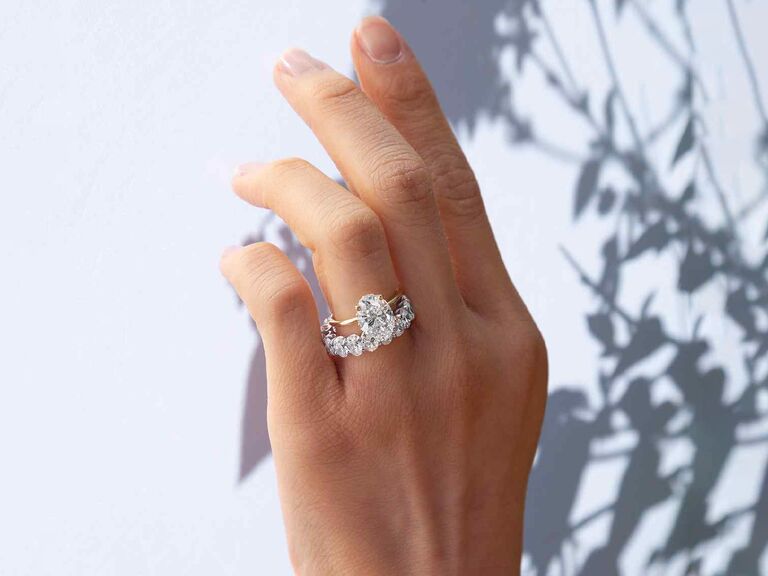
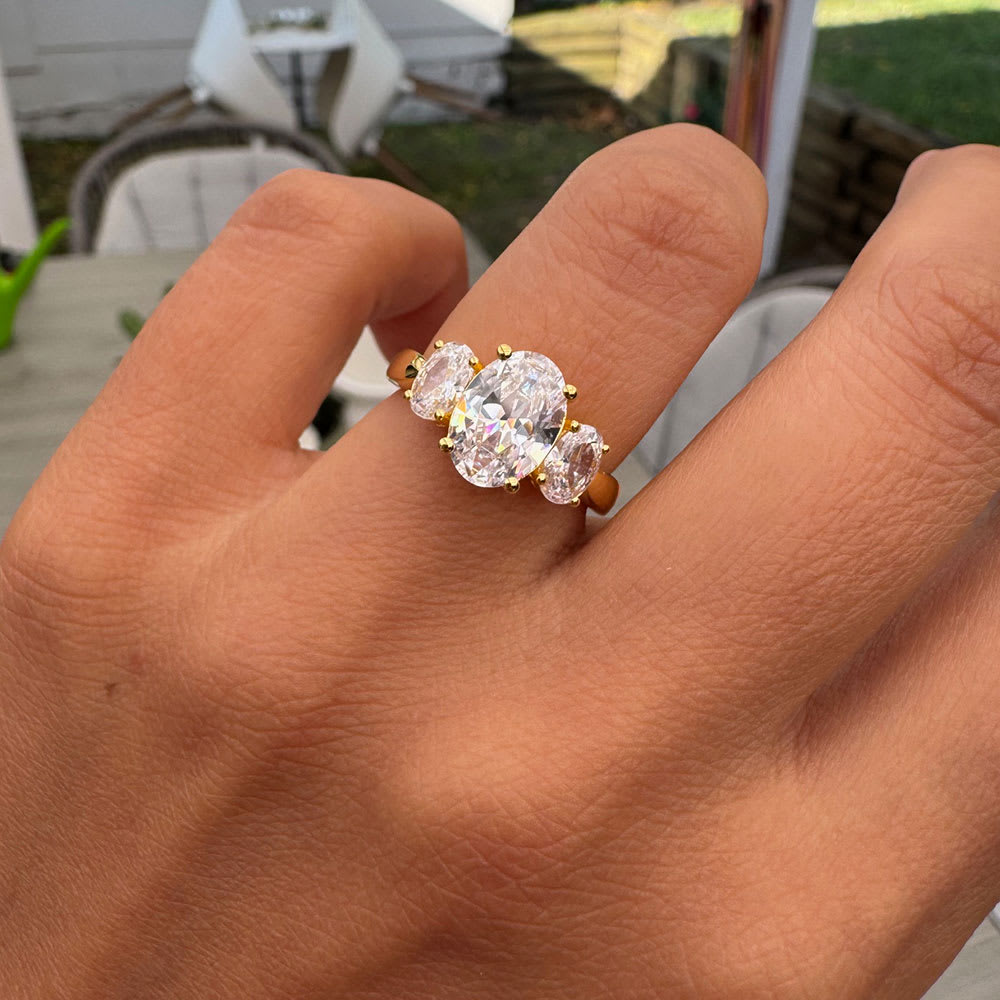
Buying a diamond is a technical decision as much as an emotional one. If you are shopping in New Zealand you will quickly encounter lab diamonds Auckland lab grown diamonds as a category of choice. These stones are now common in local stores and online listings. They are not a trend or a shortcut. They are a product with specific properties that you need to understand before you spend your money. This guide explains how they are made how to judge quality how pricing works and how to buy with confidence in Auckland.
What Lab Grown Diamonds are
A lab grown diamond is a real diamond. It is not a simulant like cubic zirconia or moissanite. It has the same crystal structure chemical composition and optical behavior as a mined diamond. The difference is origin.
Instead of forming underground over long periods the diamond grows in a controlled environment. Carbon atoms bond into a crystal under specific conditions. The result is a diamond that can be cut polished and graded using the same standards as mined stones.
If you want a simple test ask whether it can be graded by an independent lab. If the answer is yes you are dealing with a real diamond.
How Lab Diamonds Are Made
There are two main production methods. Understanding them helps you evaluate price and quality.
High Pressure High Temperature also known as HPHT replicates the natural environment of diamond formation. Carbon is exposed to extreme heat and pressure until it crystallizes. This method was used first and is still common for smaller stones.
Chemical Vapor Deposition also known as CVD grows diamonds layer by layer from a carbon rich gas. This method allows more control over size and clarity. Many larger lab grown diamonds use CVD.
Both methods produce diamonds that meet gemological standards. There is no universal quality difference between them. What matters is how the stone is cut and graded after growth.
How grading works
Lab diamonds are graded using the same four factors as mined diamonds. Cut color clarity and carat weight.
Cut refers to proportions and symmetry not shape. A well cut diamond reflects light efficiently. This has the strongest impact on appearance.
Color is graded on a scale. Lower letters indicate less color. Many lab diamonds fall in the near colorless range.
Clarity measures internal features called inclusions. Lab diamonds tend to have fewer inclusions but they still exist.
Carat is weight not size. A well cut smaller stone can look larger than a poorly cut heavier one.
Ask for a grading report from a recognized lab. IGI and GIA both grade lab grown diamonds. Read the report carefully and compare stones with similar grades.
Why Buyers in Auckland Consider Lab Diamonds
Auckland buyers often face higher jewelry prices due to import costs and limited stock. Lab grown diamonds increase availability and choice.
You can often select exact specifications rather than settling for what is in a display case. This matters if you have strict preferences for size or color.
There is also the issue of traceability. Some buyers want clear origin information. Lab diamonds provide that. You know where and how the stone was created.
This does not mean they are the right choice for everyone. It means they solve specific problems that some buyers face.
Price structure and expectations
Lab diamonds cost less than mined diamonds with the same visible characteristics. This is not a discount or a sale. It is a different cost structure.
Production is controlled. Supply can increase. There is no extraction risk or geographic scarcity.
When comparing prices focus on like for like specifications. Do not compare a high grade lab diamond to a lower grade mined one and assume equivalence.
Expect price differences to be significant at higher carat weights. The gap is smaller for small stones and grows as size increases.
If a price seems unusually low ask for documentation. Transparent pricing should include grading reports and clear specifications.
Resale and long term value
Lab diamonds are not purchased for resale. You should assume limited secondary market demand.
This does not affect their use or durability. It affects how you think about value. If your priority is long term asset retention a mined diamond may align better.
If your priority is appearance budget control or specific design freedom then lab grown diamonds make sense.
Decide this before you shop. Do not rely on future assumptions about market changes.
How to buy in Auckland
You have three main options. Local jewelers online retailers and hybrid showrooms.
Local jewelers allow you to see stones in person. Ask whether they stock lab diamonds or source on request. Request grading reports before viewing.
Online retailers provide broader selection. Pay attention to return policies and shipping insurance. Make sure the diamond is independently graded.
Hybrid showrooms allow online selection with in person viewing. This can combine choice with physical inspection.
Regardless of channel verify the grading lab. Confirm whether the stone is HPHT or CVD. Ask about post growth treatments. Some stones undergo processes to improve color.
Choosing a setting
- Lab diamonds work in any setting style. There is no limitation.
- Focus on durability and wear. If you plan daily wear choose protective settings like bezel or low profile prongs.
- Metal choice affects appearance. White metals emphasize brightness. Yellow gold can mask slight color.
- Work with a jeweler who understands stone proportions. The setting should support the cut not hide flaws.
Common mistakes to avoid
- Do not assume all lab diamonds are equal. Quality varies widely.
- Do not ignore cut grade. It affects appearance more than carat weight.
- Do not skip documentation. A grading report is not optional.
- Do not buy based on price alone. A poorly cut diamond can look dull regardless of origin.
- Do not confuse lab diamonds with simulants. Ask direct questions and verify answers.
Ethical and environmental considerations
- Lab grown diamonds avoid mining. This reduces certain environmental impacts.
- They still require energy. The footprint depends on power sources used in production.
- If this matters to you ask the retailer about sourcing and energy use. Some producers disclose this information.
- Make decisions based on verified facts not assumptions.
Final thoughts
Buying a diamond is a technical purchase. When you understand the variables you reduce risk.
Lab diamonds Auckland lab grown diamonds are now a stable part of the market. They are neither experimental nor inferior. They are a defined product with specific advantages and tradeoffs.
Your task is to match the product to your priorities. Define what matters to you. Verify quality through documentation. Compare like with like.