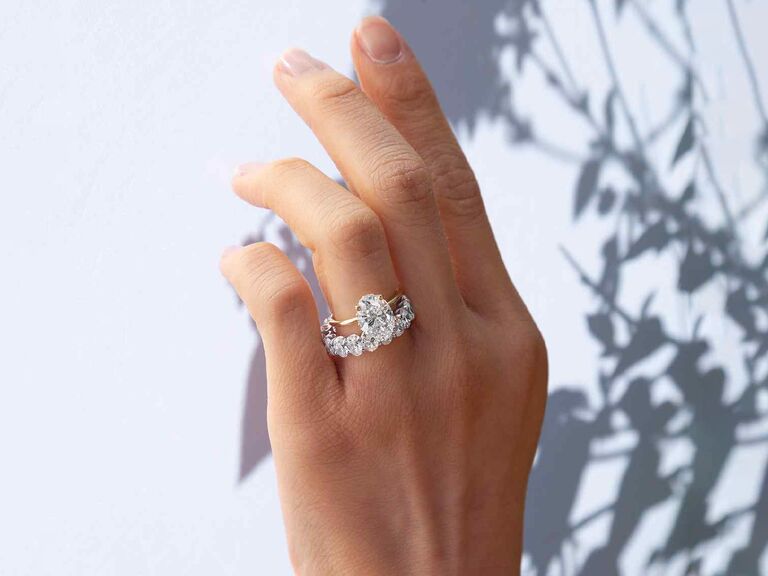
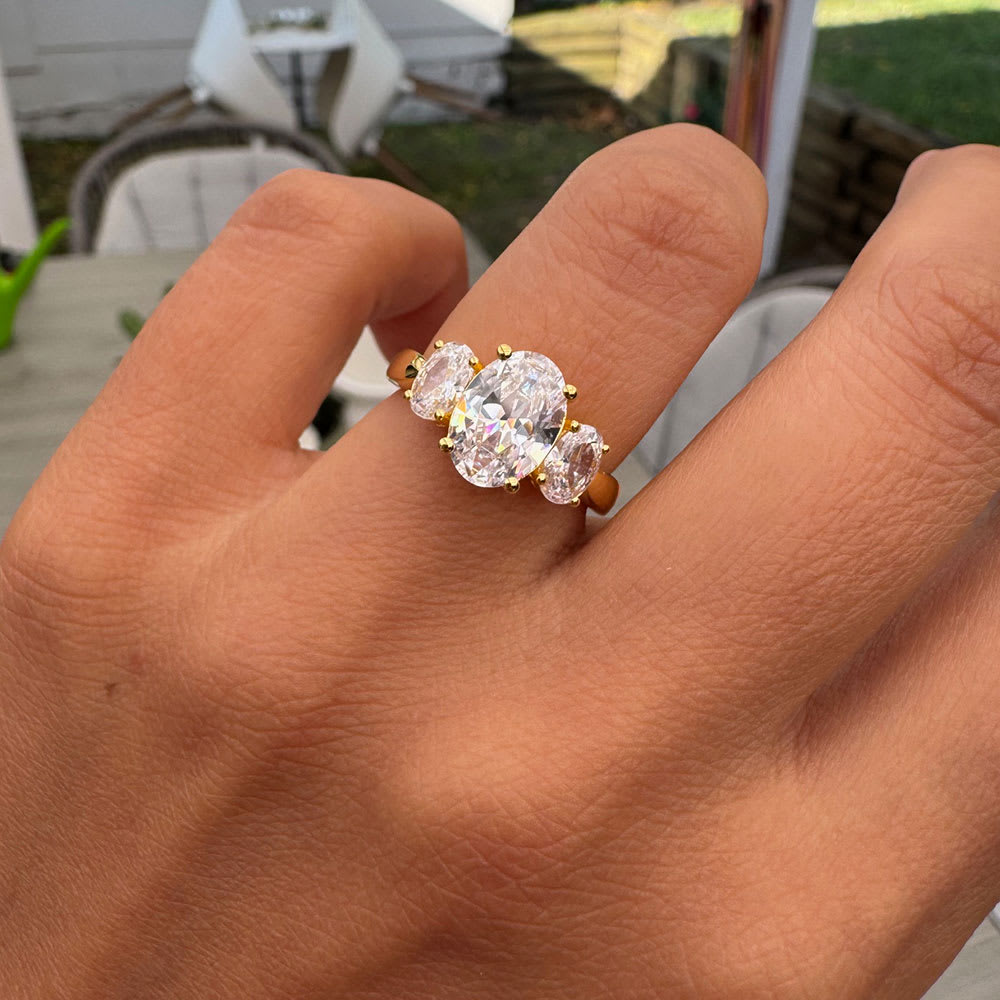
Lab Diamonds What Buyers Should Understand
A lab diamond isn’t a fake. Real stone, just grown above ground in precise settings rather than buried beneath rock layers. Same atomic layout. Identical toughness. Same sparkle. Just where it comes from changes. What you get isn’t imitation. It’s simply made another way. That point hits hard since many mix up lab stones with cheap look‑alikes like cubic zirconia. Hesitation often follows when things feel unclear. Simplicity arrives only after clarity sets in.
Why People Pick Lab Diamonds
Man made diamond tennis necklaces make sense for a reason. Not because everyone else is doing it. Because you decide what matters. More sparkle without extra cost. Mining expenses? They stay behind. So do inflated prices from scarcity. Add in fewer middlemen taking cuts. A lab diamond takes away a lot of that. What it means for you comes down to this
- A bigger gem fits your wallet just fine. Size goes up when cost stays put. Money stretches further here. Same price, more sparkle shows up. Spend steady, gain extra shine instead
- You can choose higher clarity and better color
- You can stay within budget without lowering quality
A smaller natural stone might show imperfections, yet a bigger lab-created one often appears clearer, more brilliant. Sometimes size wins when sparkle matters most.
Lab Diamonds How Theyre Created
One way works like this. Another takes a different path.
High Pressure High Temperature
Heat plus heavy pressure shapes carbon into diamonds. Like how nature does it deep underground. Out comes a shiny crystal made by force.
Chemical Vapor Deposition
Starting with a carbon-heavy gas, this technique builds diamonds slowly, one level at a time. Control gets easier when shaping how pure or structured each gem becomes. Real diamonds come out of both processes, no exceptions. What sets them apart isn’t what they are but how they form underground versus in machines.
Lab Diamonds Durability
Fine. Sitting at number ten on the Mohs scale – same as lab diamonds – they handle everyday wear without issue. Rings, bracelets, even necklaces take them easily. Bumping into things during regular days won’t leave marks worth noting. Everyday scrapes won’t leave a mark. Nothing but a diamond will cut into it.
Knowing What Makes Something Good Before Buying
A single flaw can change everything. Not every lab diamond performs the same way under close look. Rely on the very standards applied to mined stones when deciding.
Cut
Light bounces differently based on the shape of the cuts. Brightness jumps out when the angles are just right. Dullness creeps in with bad shaping – clarity won’t save it.
Color
Yellow hints might show up, though some shades stay clear. Aiming for almost clear wins favor because it feels fresh.
Clarity
What you see inside a stone shapes its clearness. The less stuff visible within, the clearer it appears. Tiny details hide when purity wins through absence.
Carat
Weight matters less when the shape works better. Sometimes a stone shines wider than it weighs. Take one full carat shaped just right – it might stretch further across the eye than a heavier one built wrong.
Certification Matters
Without a certificate, steer clear. What backs up the stone’s standard? A grading report does. This paper shows exactly where your money goes. Who should issue it? Only well-known labs count. Accuracy comes from verified steps. Guessing fills the gap when proof is missing.
Pricing What To Expect
A lab diamond often comes at a lower price than one mined from the earth. That gap might surprise you. Yet a smaller number on the tag isn’t about cutting corners. It reflects how easily these stones reach the market. Pricing shifts depending on how good things are. What changes cost? That depends
- Higher clarity increases cost
- Fresh shades mean extra expense
- Fewer flaws in shaping push prices up
- Larger carat weight increases cost
A different path opens when priorities shift. Take diamonds – flawless grades matter less if flaws stay hidden. A touch lower on the scale frees funds. That space fills with sharper craftsmanship instead.
Lab Diamonds in Jewelry
Diamonds grown in labs fit just fine across every kind of jewelry piece. Because they cost less, using several at once makes sense. That’s when you see those long necklaces filled with lab diamonds. A row of them runs close, one after another, down the chain. What you see is what you get, every time, when choosing lab diamonds. Prices climb fast if going natural. A steady appearance comes through clearly. Budget stays intact without surprises. Big presence shows up in the details.
Selecting the Appropriate Item
Pick pieces where the metalwork holds up just like the gems do. With pendants, look at how the links bend when it moves
- Check clasp strength
- Check flexibility of the chain
- Ensure stones are evenly set
- Look for secure prongs or bezels
A good item runs soft against the skin. Comfort matters just as much as how it looks on a shelf. When it shifts without warning, something is off. Take necklaces that seem perfect online yet lock up around the neck. Stiffness changes everything – how it drapes, how it moves, how it feels by midday.
Common mistakes to avoid
Price grabs most shoppers’ attention first. This narrow view often backfires later. Skip these errors if possible
- Ignoring cut quality
- Buying without certification
- Choosing size over balance
- Not checking setting quality
Even when big, a diamond fails to shine if the cutting is off. Balance brings life instead.
Lab Diamonds versus Natural Diamonds
To most people, the look is identical. Experts still rely on equipment just to tell them apart. Your choice depends on what matters to you most. Natural stones might appeal if uniqueness ranks high. Lab-grown ones fit better when bigger cuts, consistency, and budget matter more.
Lab Diamonds As A Long Term Option
Firmness defines them. Over years, color stays put – no shifting seen. Time passes without altering their form. Built to remain just as they are. Yet a few hesitate when selling later. Heirloom stones carry old ideas about worth after purchase. Most people now care about how they’ll use something, not what it might sell for later. Wearing matters more than swapping.
Buy With Confidence
Keep your approach simple.
- Start by deciding how much you can spend
- Focus on quality rather than bulk
- Check certification
- Inspect the setting
- Buy from a reliable seller
Hold off on deciding too fast. One choice might seem fine, yet another could surprise you. Real photos help tell what’s actually there. Questions often clear up confusion. Say both stones appear alike – go for the sharper craftsmanship and verified grading instead of a bit more carat.
FAQ
Are lab diamonds real diamonds
Fine. Identical traits – both in structure and behavior – as mined diamonds. Same hardness, same sparkle, just made differently.
Most folks can’t spot what sets lab stones apart from earth-grown ones
Finding it takes tools, not sight. The source reveals itself only when machines are used.
Are lab diamonds worth buying
Right, when you’re after solid worth, generous dimensions, plus dependable make – all without overspending.